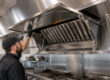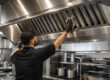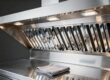


How Exhaust Hood Cleaning Helps Prevent Commercial Kitchen Fires
Commercial kitchens operate under intense heat and heavy cooking conditions every day. While kitchen exhaust systems are designed to remove heat, smoke, grease, and airborne contaminants, these systems can quickly become dangerous when grease buildup is allowed to accumulate. Routine exhaust hood cleaning plays a major role in reducing fire risks and helping commercial kitchens operate safely.
Restaurant owners and kitchen managers who prioritize regular hood cleaning help protect their staff, customers, equipment, and property from preventable fire hazards.
Why Grease Buildup Is Dangerous
As cooking equipment produces smoke and grease-filled vapors, the kitchen exhaust system pulls those contaminants through the hood, ductwork, and exhaust fan. Over time, grease residue sticks to these surfaces and begins to accumulate.
Grease is highly flammable. If flames flare up from cooking equipment, the fire can spread rapidly through grease-covered exhaust systems. Once a fire enters the ductwork, it can travel throughout the building and cause severe damage.
Even small amounts of grease accumulation can increase the risk of:
- Kitchen fires
- Smoke damage
- Equipment damage
- Ventilation problems
- Failed inspections
- Emergency shutdowns
Routine exhaust hood cleaning helps remove this dangerous buildup before it becomes a serious problem.
The Role of the Exhaust Hood System
A commercial kitchen exhaust system does more than improve airflow. It also serves as a critical fire safety component within the kitchen.
The complete exhaust system includes:
- The hood canopy above cooking equipment
- Grease filters
- Exhaust ductwork
- Exhaust fans
- Rooftop ventilation equipment
All parts of the system must remain clean and functioning properly to reduce fire risks and maintain safe ventilation performance.
When grease accumulates inside any section of the system, the entire kitchen becomes more vulnerable to fire hazards.
NFPA 96 Cleaning Requirements
NFPA 96 provides the national fire safety standards for commercial kitchen ventilation systems. These guidelines establish cleaning requirements designed to reduce grease buildup and improve kitchen safety.
According to NFPA 96, the entire exhaust system should be inspected regularly and cleaned when grease accumulation reaches unsafe levels.
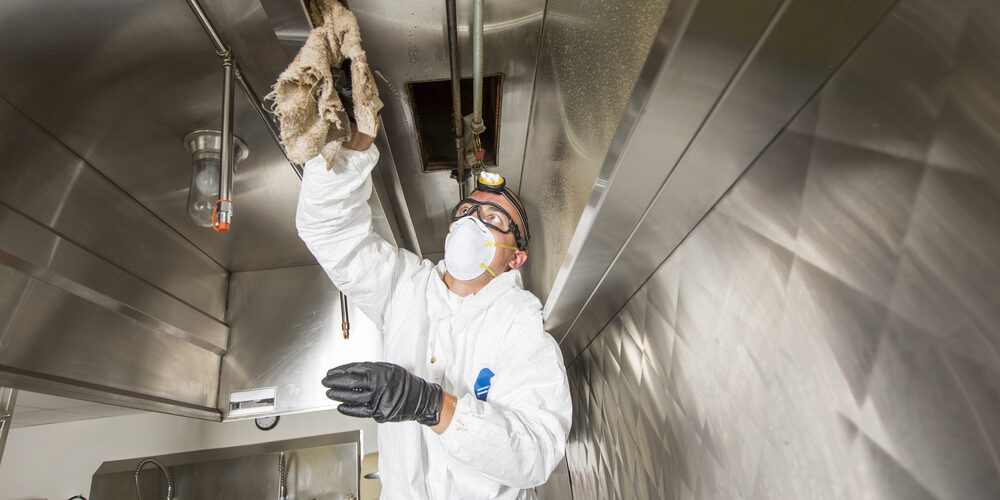
Professional hood cleaning services typically include:
- Cleaning the hood interior
- Removing grease from ductwork
- Cleaning exhaust fan components
- Inspecting system accessibility
- Removing grease buildup from rooftop areas
- Documenting completed service
Following NFPA 96 standards helps restaurants stay compliant with local fire and health regulations while reducing liability risks.
Warning Signs Your Exhaust System Needs Cleaning
Some signs of excessive grease buildup are easy to recognize, while others may go unnoticed until serious issues develop.
Common warning signs include:
- Grease dripping from the hood
- Strong cooking odors lingering in the kitchen
- Smoke buildup during cooking
- Excessive heat in the kitchen
- Grease accumulation on rooftop equipment
- Reduced airflow performance
- Visible grease inside duct access panels
If these problems appear, professional cleaning service should be scheduled as soon as possible.
How Regular Cleaning Improves Kitchen Safety
Routine hood cleaning helps commercial kitchens maintain safer working conditions in several ways.
Reduces Fire Hazards
Removing grease accumulation lowers the risk of grease ignition and fire spread throughout the exhaust system.
Improves Ventilation Performance
Clean exhaust systems move air more efficiently, helping remove smoke, steam, and heat from the kitchen.
Supports Health and Fire Code Compliance
Routine cleaning helps businesses remain compliant with fire safety standards and local inspection requirements.
Extends Equipment Lifespan
Grease buildup can place additional strain on exhaust fans and ventilation equipment. Cleaning helps reduce wear and prolong system performance.
Creates a Cleaner Kitchen Environment
Improved ventilation and reduced grease contamination help create a more comfortable environment for kitchen staff.
Choosing a Professional Hood Cleaning Company
Commercial kitchen exhaust cleaning should always be performed by trained professionals who understand NFPA 96 standards and commercial kitchen ventilation systems.
A professional hood cleaning company should:
- Clean the full exhaust system
- Provide service documentation
- Inspect for safety concerns
- Use proper cleaning equipment
- Help establish routine maintenance schedules
Surface-level cleaning alone is not enough to fully reduce fire risks.
Protect Your Kitchen With Routine Exhaust Hood Cleaning
Commercial kitchen fires can cause devastating damage, costly downtime, and serious safety risks. Routine exhaust hood cleaning is one of the most effective ways to help prevent grease fires and maintain safer kitchen operations.
ProServe Hoods provides professional commercial kitchen exhaust hood cleaning services designed to help restaurants and food service facilities maintain cleaner, safer, and code-compliant exhaust systems.
Request Expert Commercial Kitchen Exhaust System Services Today
Whether you need a one-time cleaning, urgent repair, or complete system overhaul, ProServe Hoods is your trusted partner for commercial kitchen exhaust system services.
📞 Contact us now to get a quote or book your next service.
ProServe Hoods: Protecting Your Kitchen, Your People, and Your Peace of Mind.
 Also featured on MyCityPulse: How Exhaust Hood Cleaning Helps Prevent Commercial Kitchen Fires